

FinFly.news interview and startup profile
FinFly.news published an interview with me and added Lilidi to its startup directory.
Press
Womenlines asked me how a cafe founder ends up building an AI Twin. My honest answer: you do not need to code to start.
Womenlines, an online magazine for women entrepreneurs, published an interview with me on 20 November 2026: "From 30+ Café Franchises to Building an AI Twin: Tetiana Stepanets on Entrepreneurship, AI and the Human Touch".
It is a long title, and it covers most of my working life in one line. The questions were about entrepreneurship, AI and the human part of both. Here is what I want to keep from it.
I am from Ukraine and I live in France. I founded Crema Caffe in 2014, still own it, and grew it to more than 30 franchise locations. Then I built an Amazon DTC business and sold it to an investor. After that came Lilidi.
I am not an engineer by training. I built the first version of Lilidi with AI coding tools. Later we brought in engineers for reliability and security, because a product that talks to customers has to be both.
You do not need to code to start.
Lilidi began as a creative AI studio. It combined several AI tools, because paying for many separate subscriptions was expensive. We dropped that model. Today we work only on Lilidi Twin.
Lilidi Twin is an AI representative for customer conversations. It talks by video, voice or text. It answers only from knowledge the business has approved, says it is AI, qualifies enquiries, books meetings and hands off to a person when judgment is needed.
A chatbot describes an interface. A Twin does a job.
That is the difference I tried to explain. Small businesses do not need another widget. They need a colleague who can actually do a job. The Twin fits first conversations best: questions before a purchase, booking, onboarding and simple support.
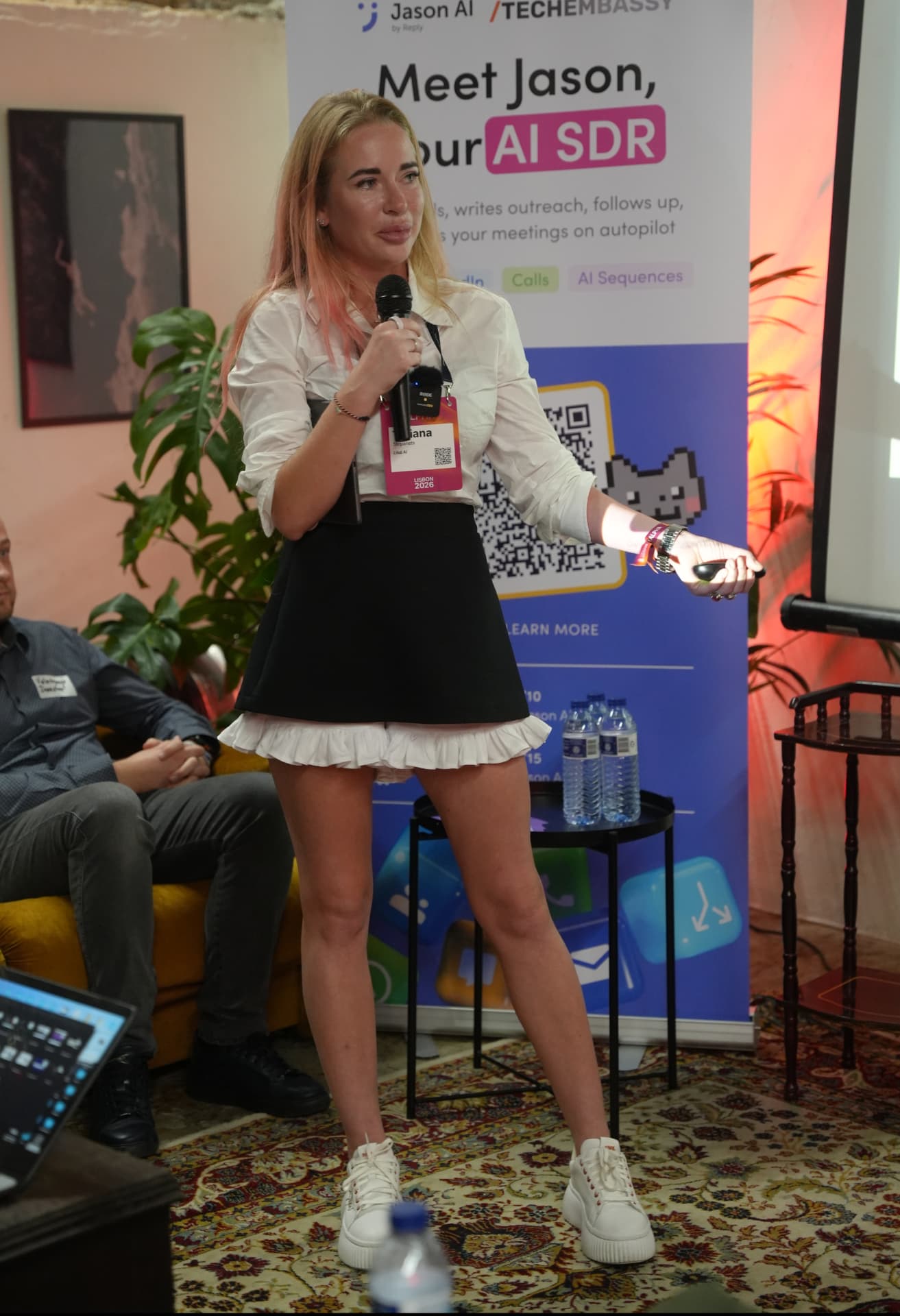
Womenlines asked for practical advice, so here it is. Automate first: the customer questions that repeat, meeting booking, and follow-up drafts that a person approves before they are sent.
Keep with a person: complaints, sensitive topics and price exceptions. When the AI hands those over, the context should go with them, so the customer does not have to start again.
If you want to try this today, you need half an hour. Write down the five questions customers ask you most, with your best answers. Ask an AI assistant to draft first replies. Then review the wording until it sounds like you.
We are bootstrapped, with no outside funding, and we are pre-revenue. Nobody should call us profitable, because we are not. Early pilots show that people ask the Twin real questions. I did not give measured results, because I only share numbers we have actually measured.
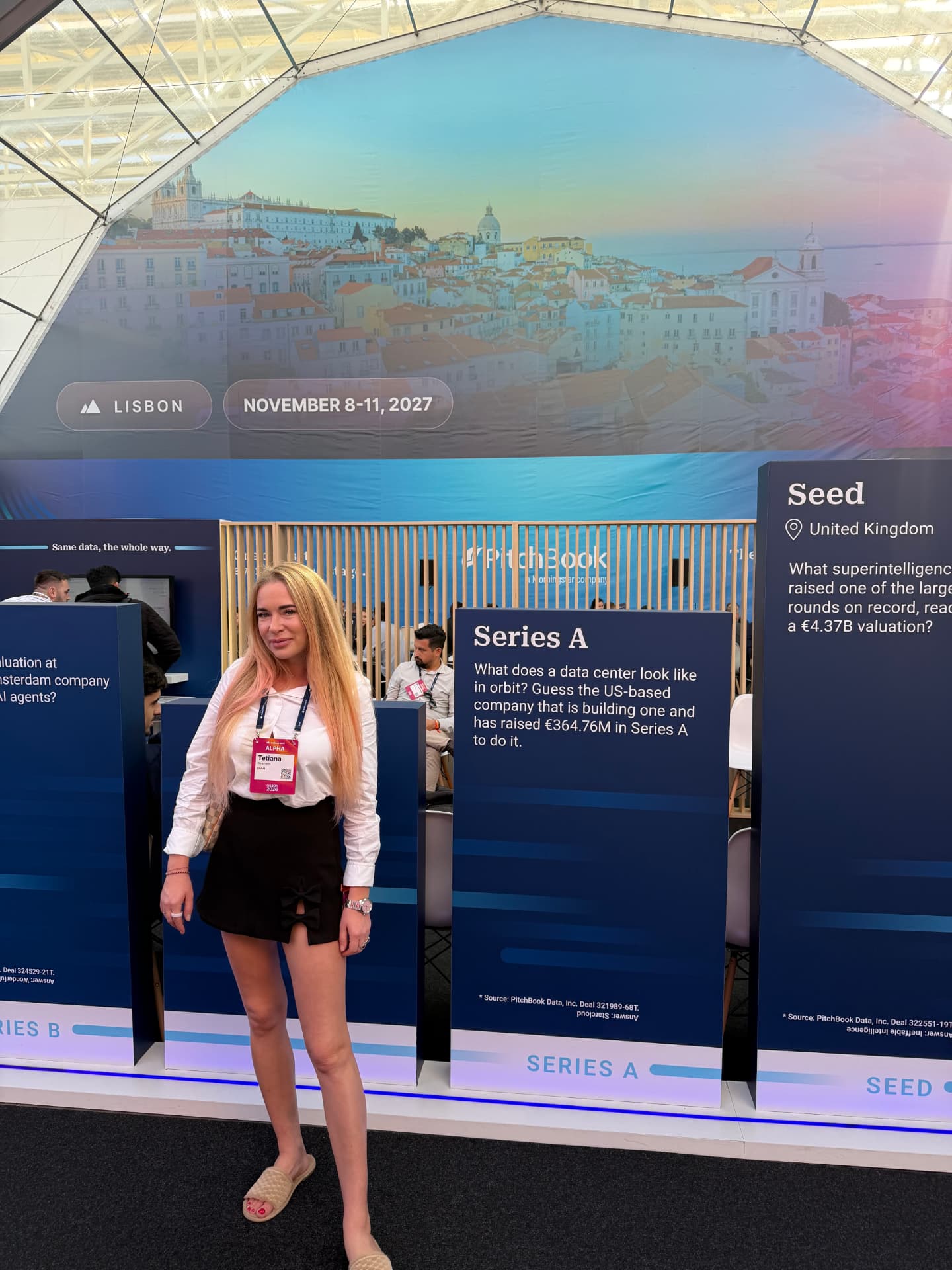
Thank you to Womenlines for the questions, and for giving space to women who build.
More interviews and articles are on the Press page. More about what we build: Lilidi, AI employees for websites.
FinFly.news published an interview with me and added Lilidi to its startup directory.

Startup.Talk asked me about building Lilidi Twin. My answer kept coming back to one rule: AI prepares the work, a person decides.

Sugermint asked me how small teams feel about their first AI employee. My honest answer: give it one defined job first.