
Lisbon beyond Web Summit: castle walls, a yellow tram and the edge of Europe
Lisbon beyond the summit halls: Alfama roofs, the castle walls, tram 28E, Cabo da Roca and Cascais at night.
Travel
A short guide with a map: Fushimi Inari, a bamboo grove, lantern paths in Kyoto and the deer of Nara Park, in my own photographs.
In July 2025 I travelled through Japan: Nagoya in the rain, then Kyoto and Nara. Japan in July is hot and green, and the light in the afternoon makes every red gate glow.
This is a small guide to the places in my photographs, with a map, so you can find them yourself.
Exact markers where my photo names the place, city-level markers where it does not.
1.Fushimi Inari Taisha, Kyoto
Wikipedia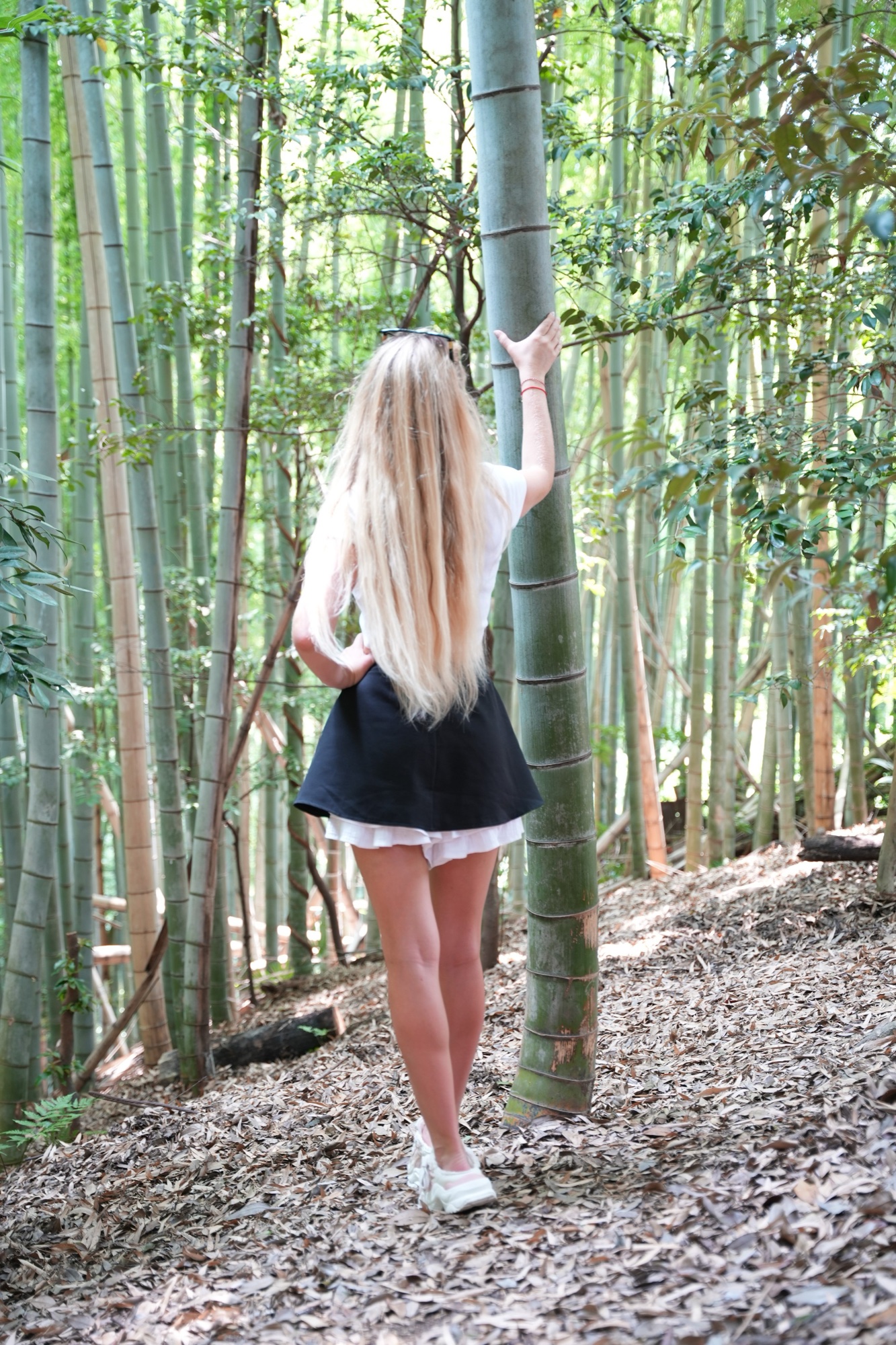
2.Bamboo grove, Kyoto
Kyoto travel guide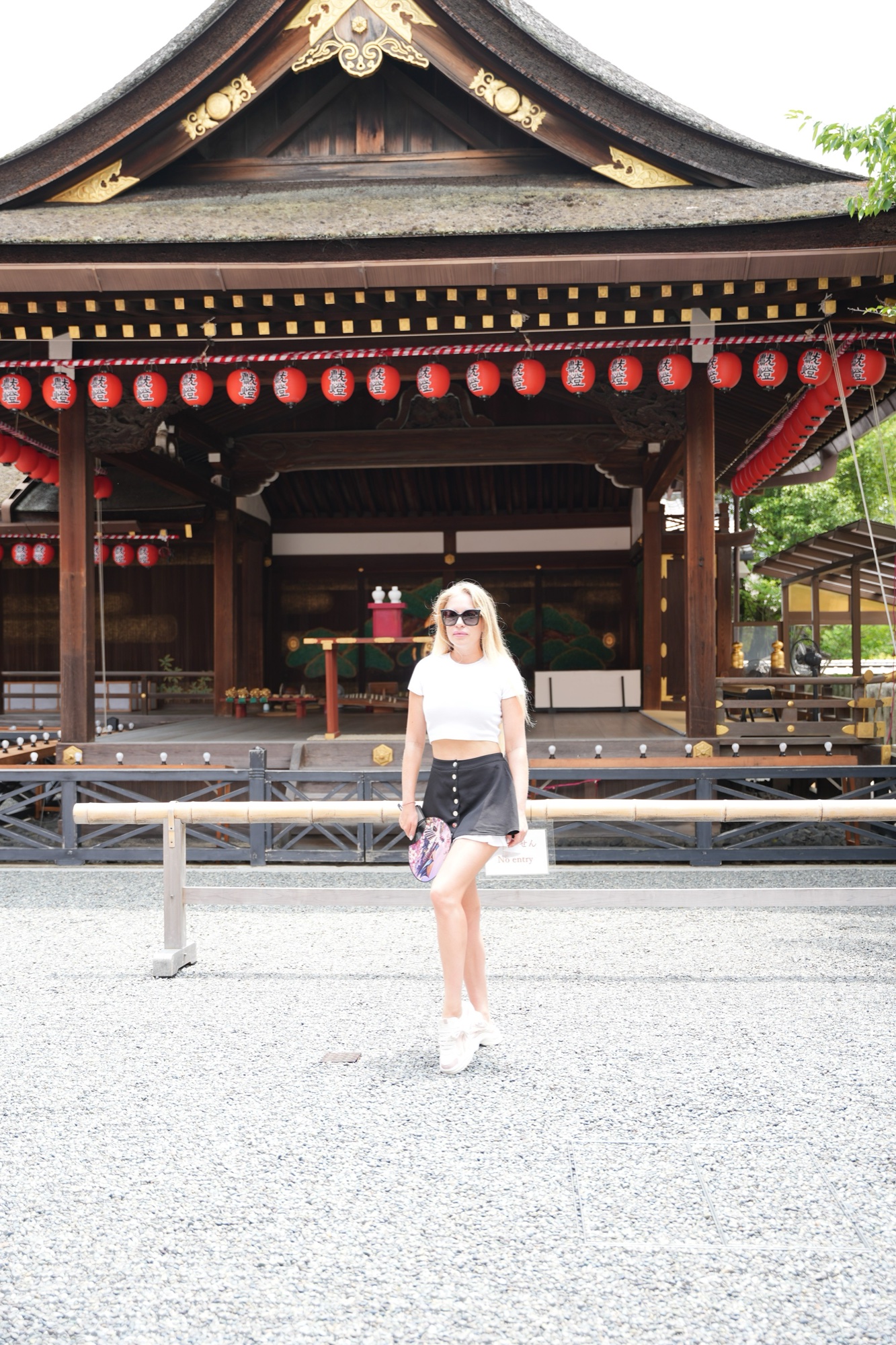
3.Shrines and lantern paths, Kyoto
Kyoto travel guide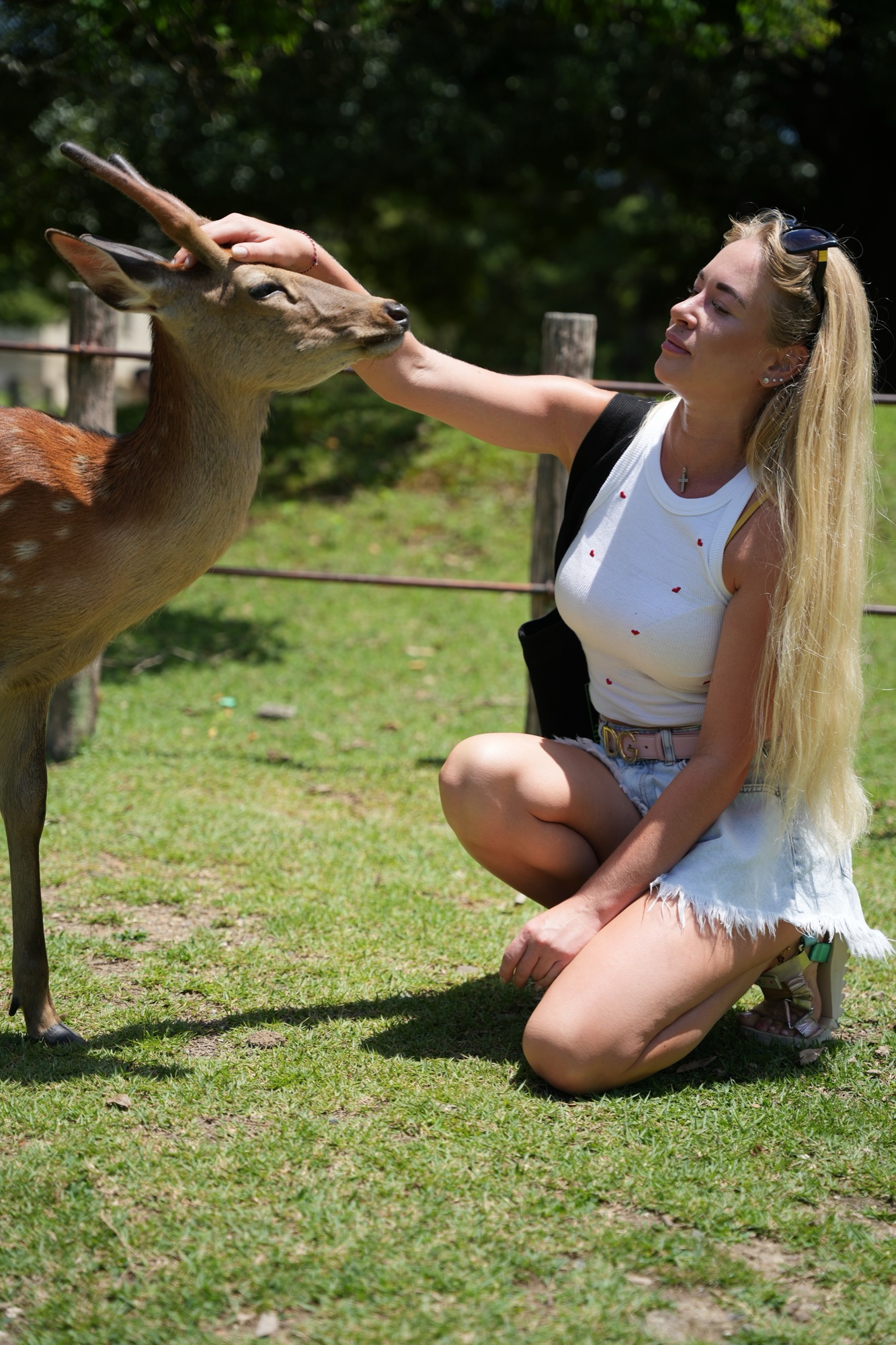
4.Nara Park
Wikipedia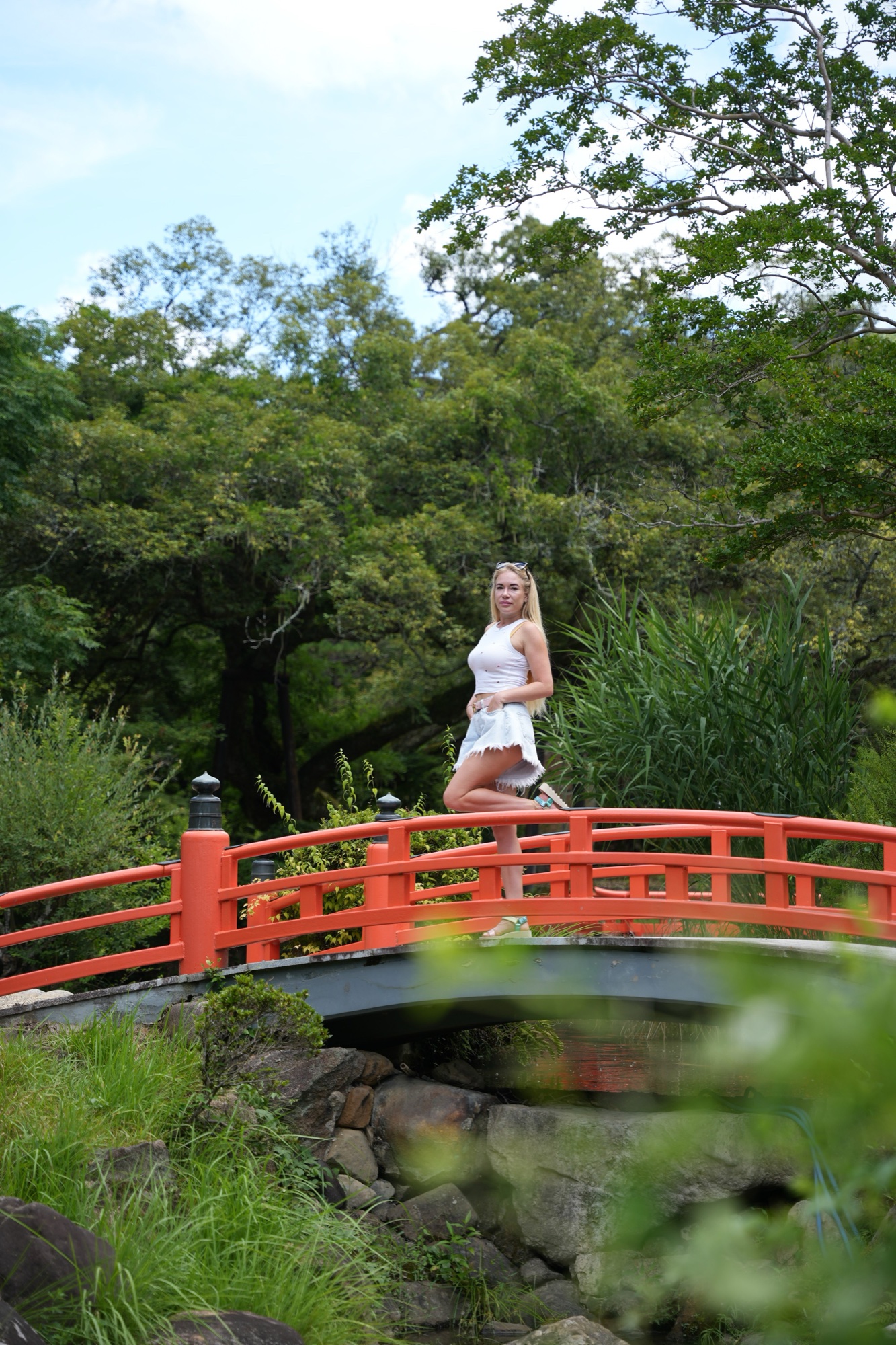
5.Gardens and temples, Nara
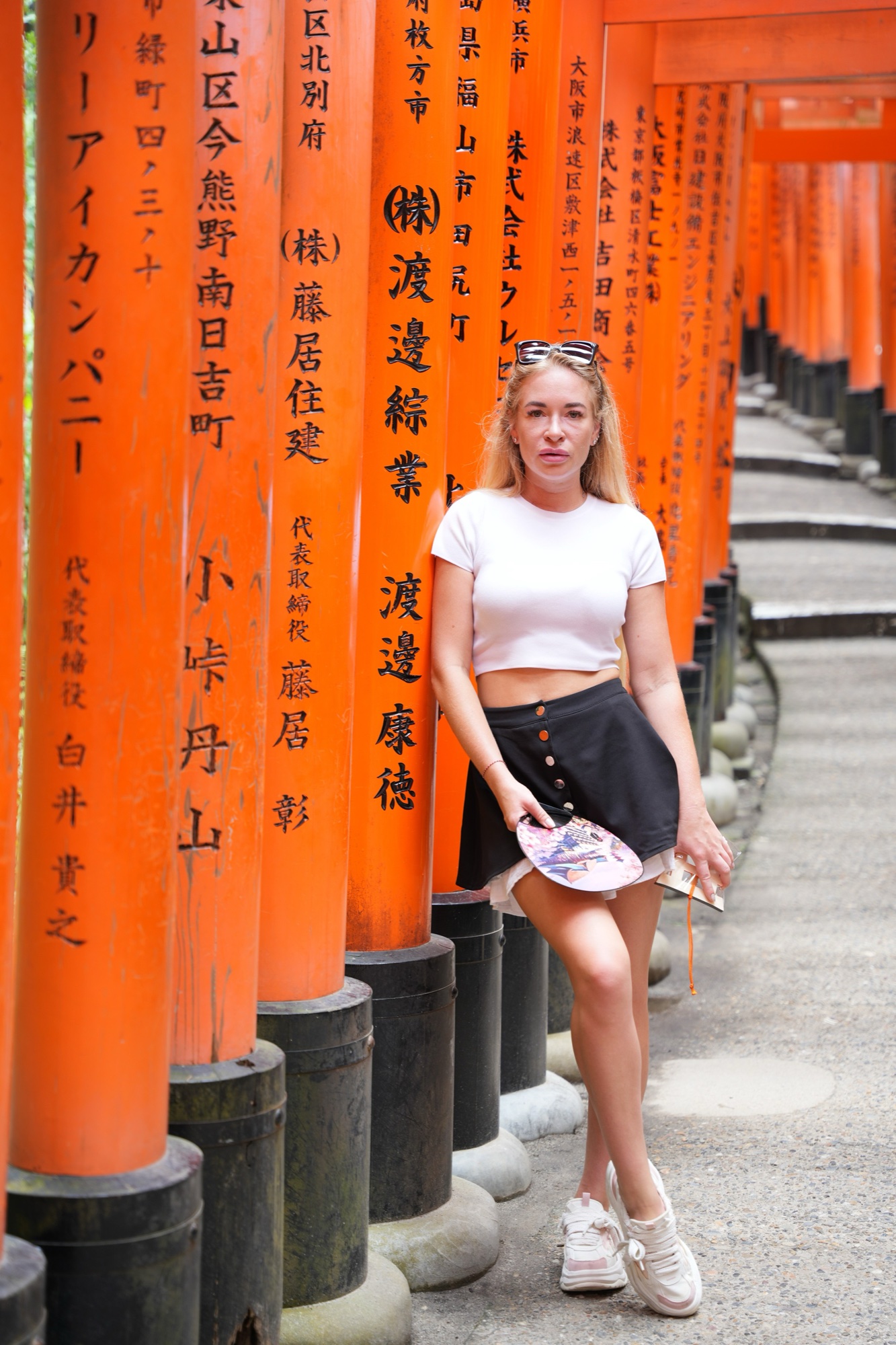
Visit NaraFushimi Inari is the shrine everyone has seen in photographs: thousands of orange torii gates standing so close together that they make a tunnel up the mountain.
In real life it is quieter than you expect once you walk a little higher. The gates go on and on, the light comes through the gaps in stripes, and the colour changes from orange to almost red as the sun moves.
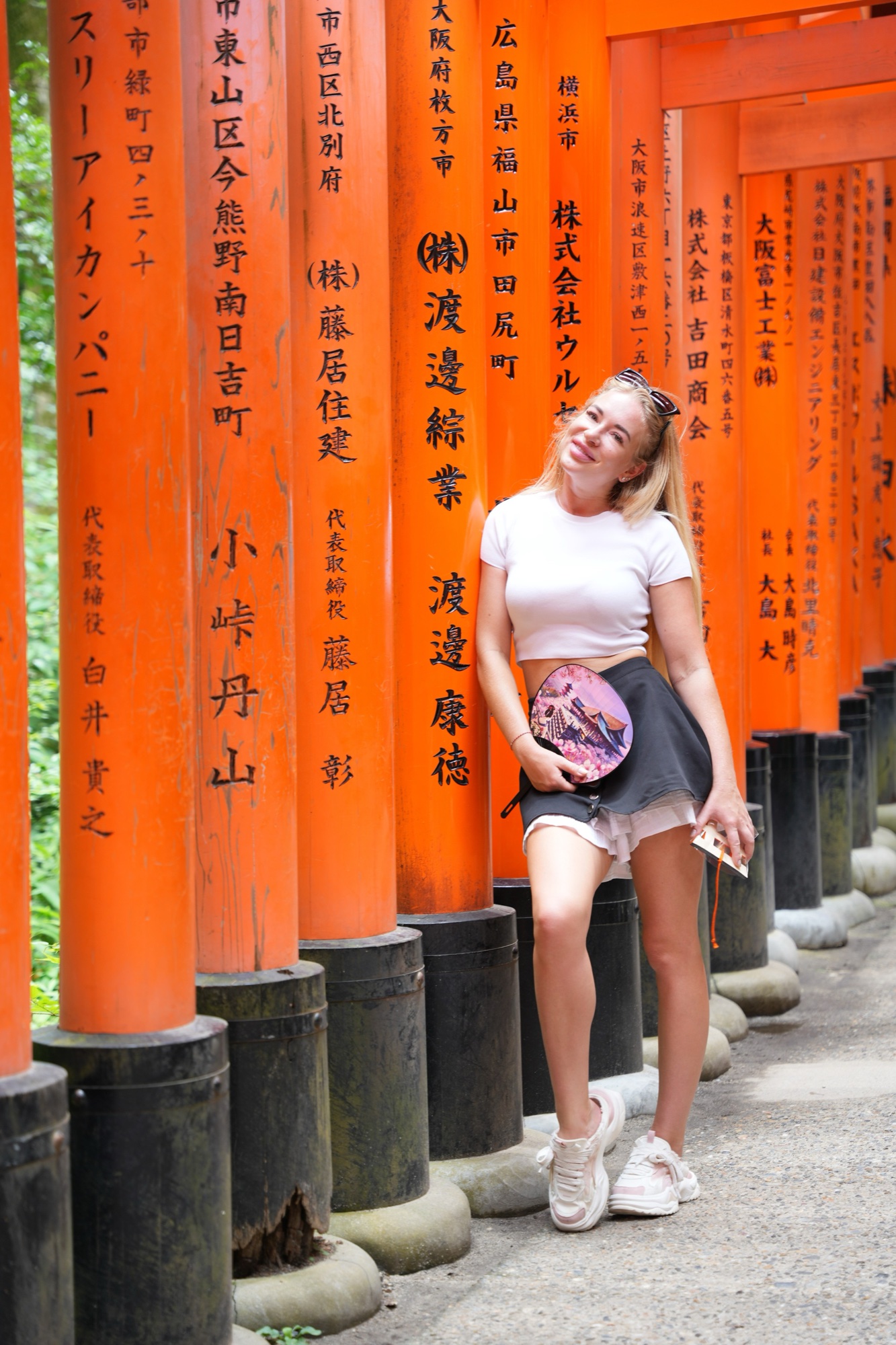
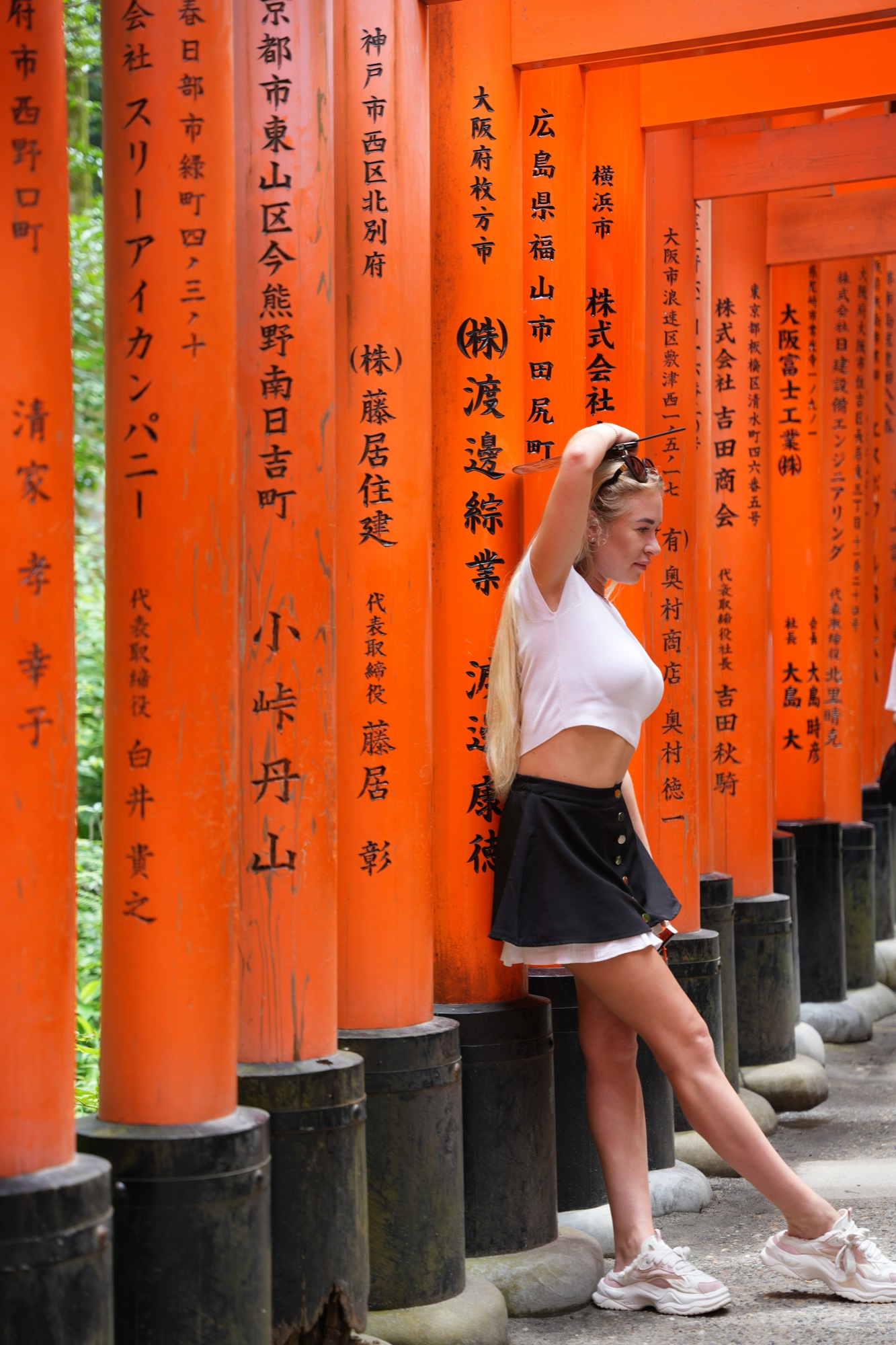
The gates go on and on, and the light comes through in stripes.
A fan helped a lot. July in Kyoto is not a joke.
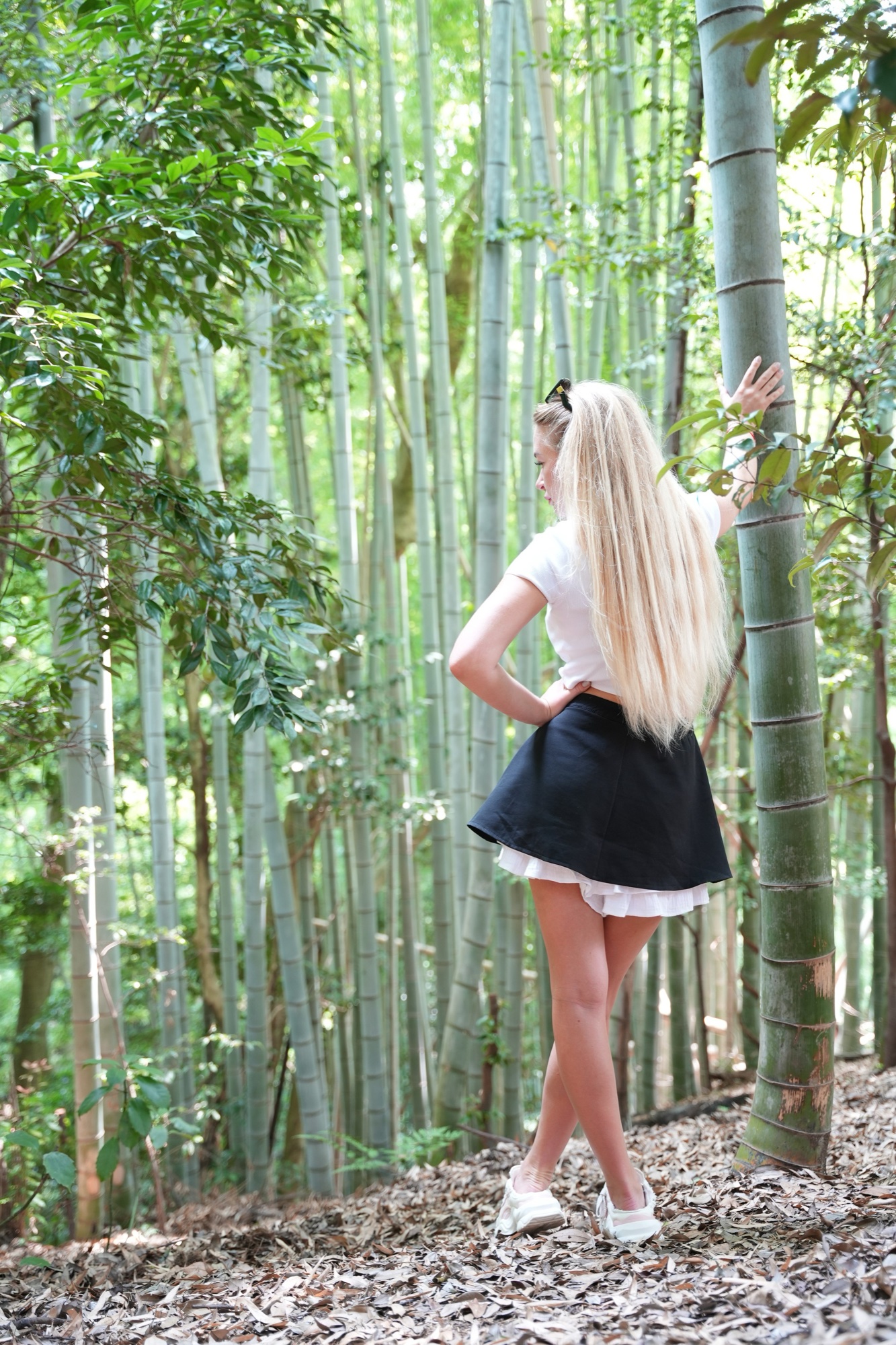
The bamboo grove is the opposite of the gates. Everything is green and very tall, and the sound is different: the stalks knock softly against each other in the wind.
I touched one of them. It is smoother and harder than you think, almost like polished wood.
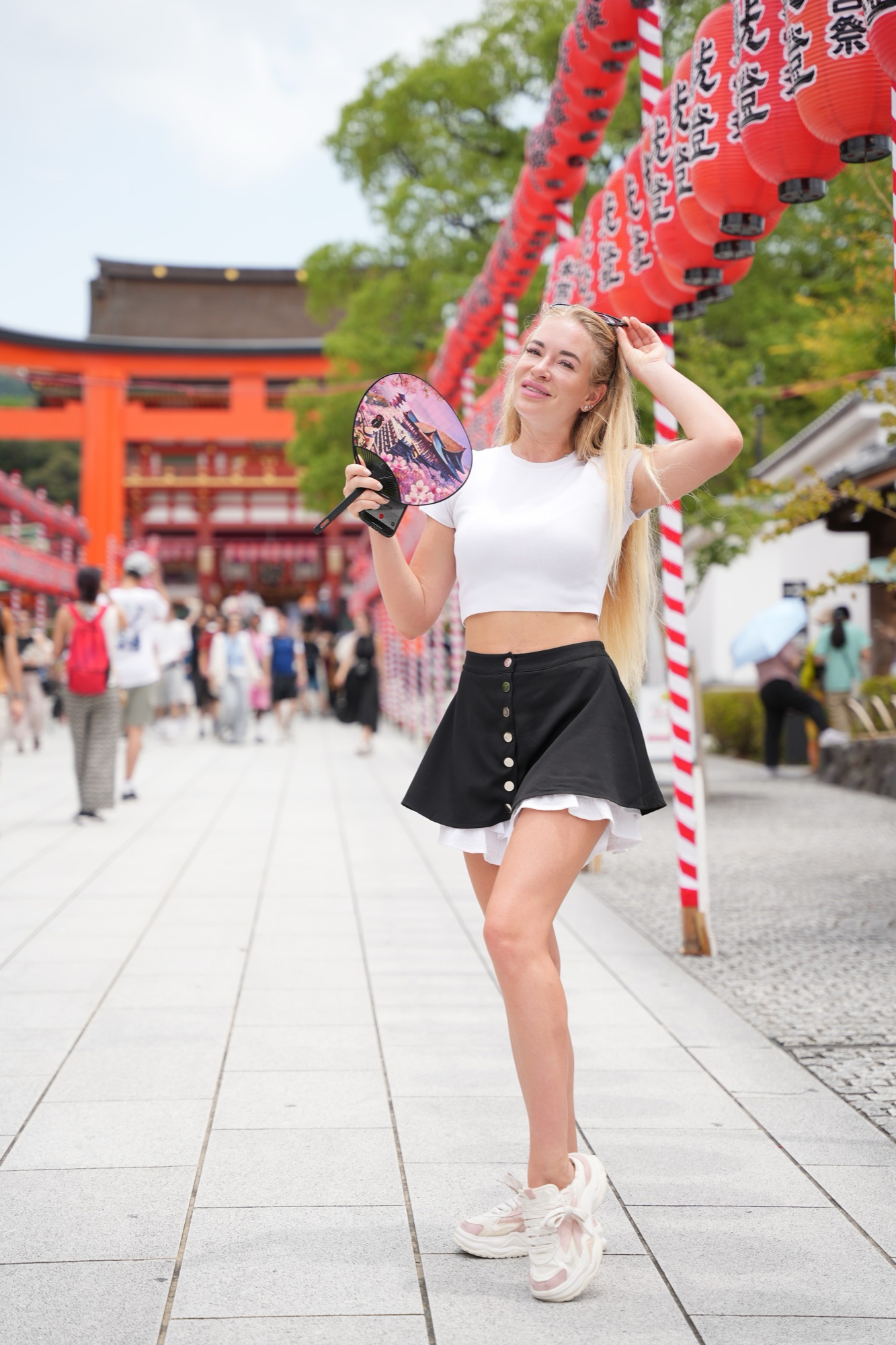
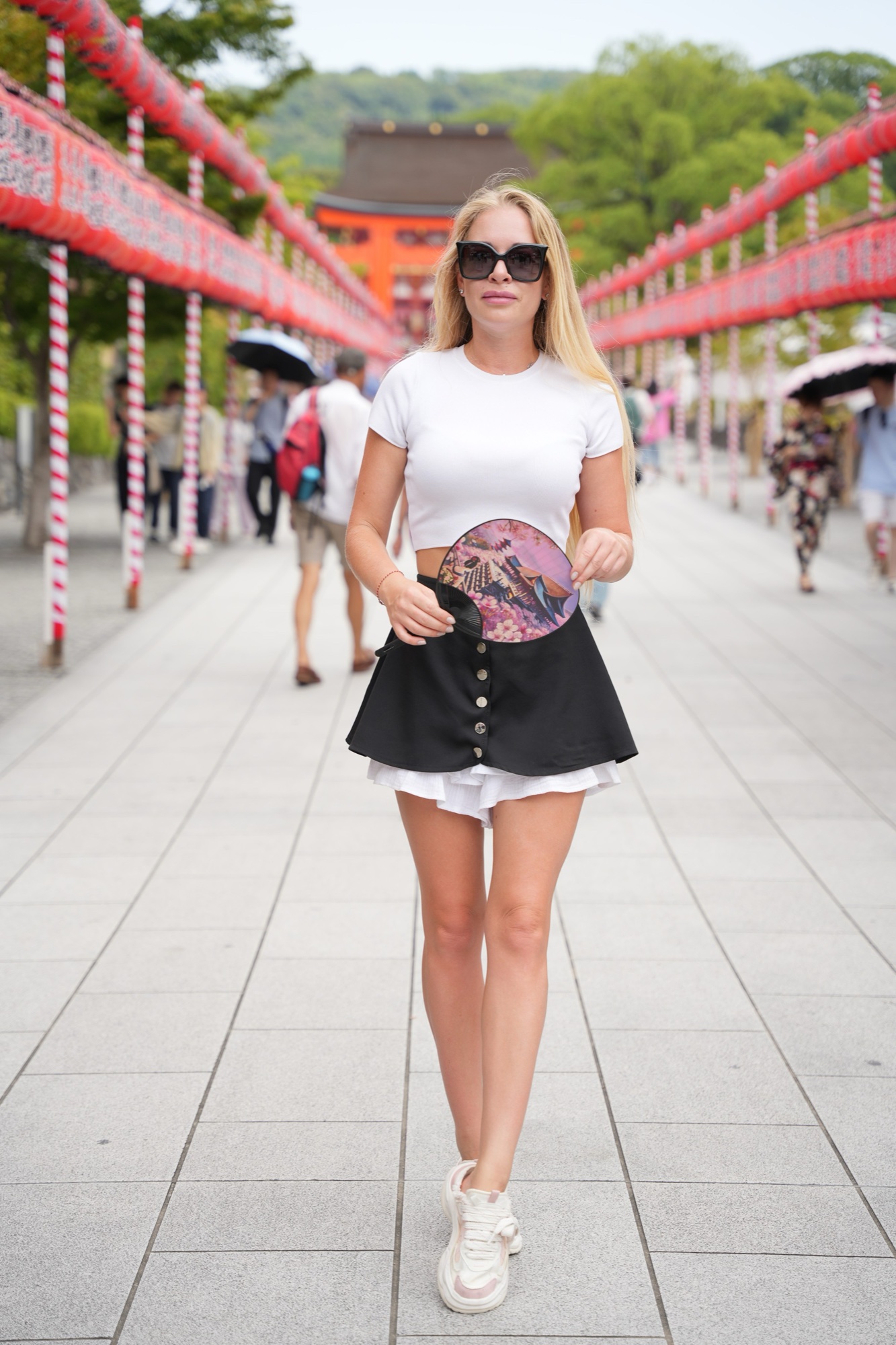
In Kyoto you are never far from a shrine. Some are famous, some are small and tucked between houses. Many have rows of lanterns along the path, and walking past them feels like being guided somewhere.
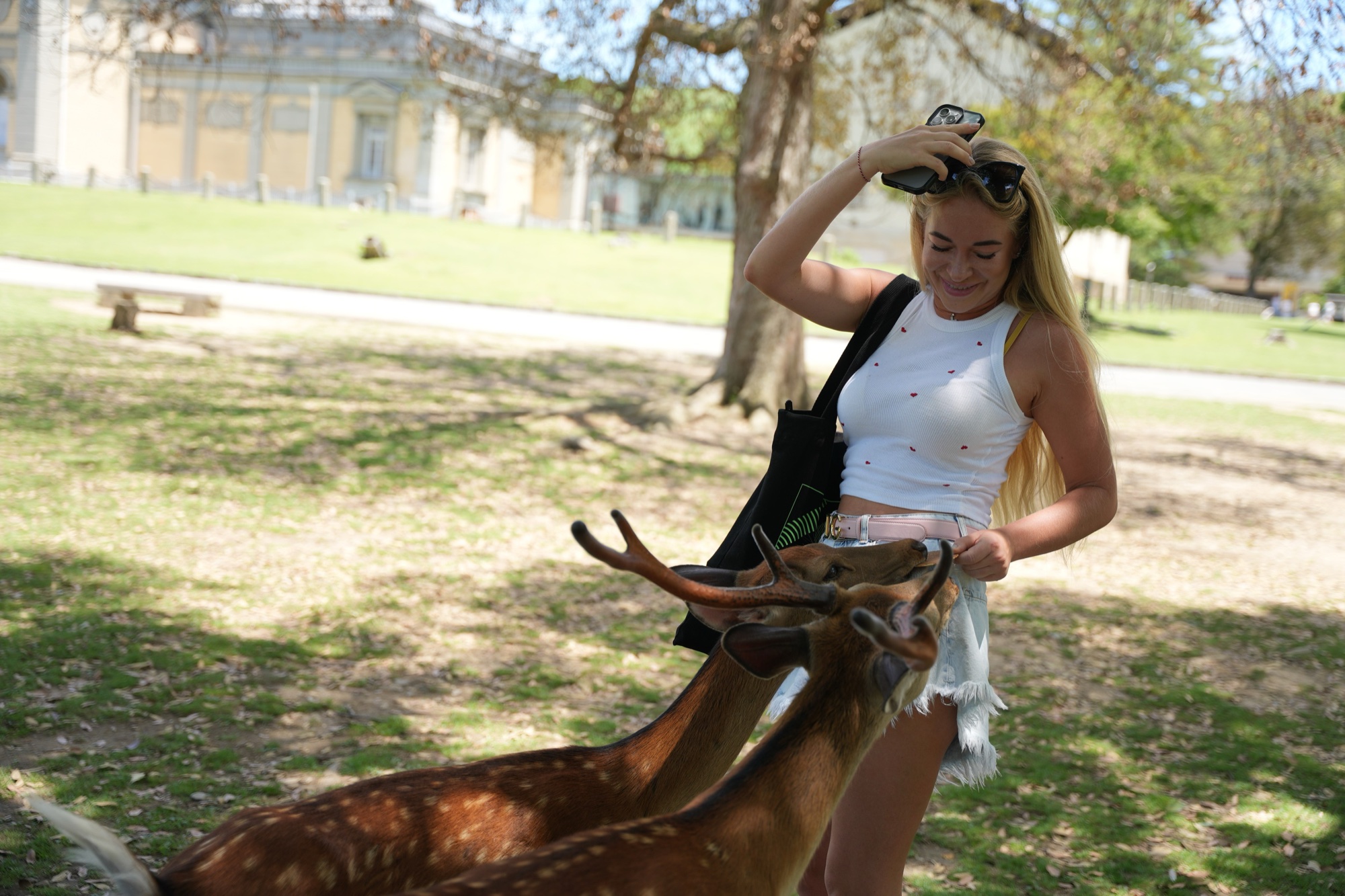
Nara is a short trip from Kyoto, and it has one famous resident: the deer. In Nara Park they walk freely among people, and some of them bow, which is very hard to resist.
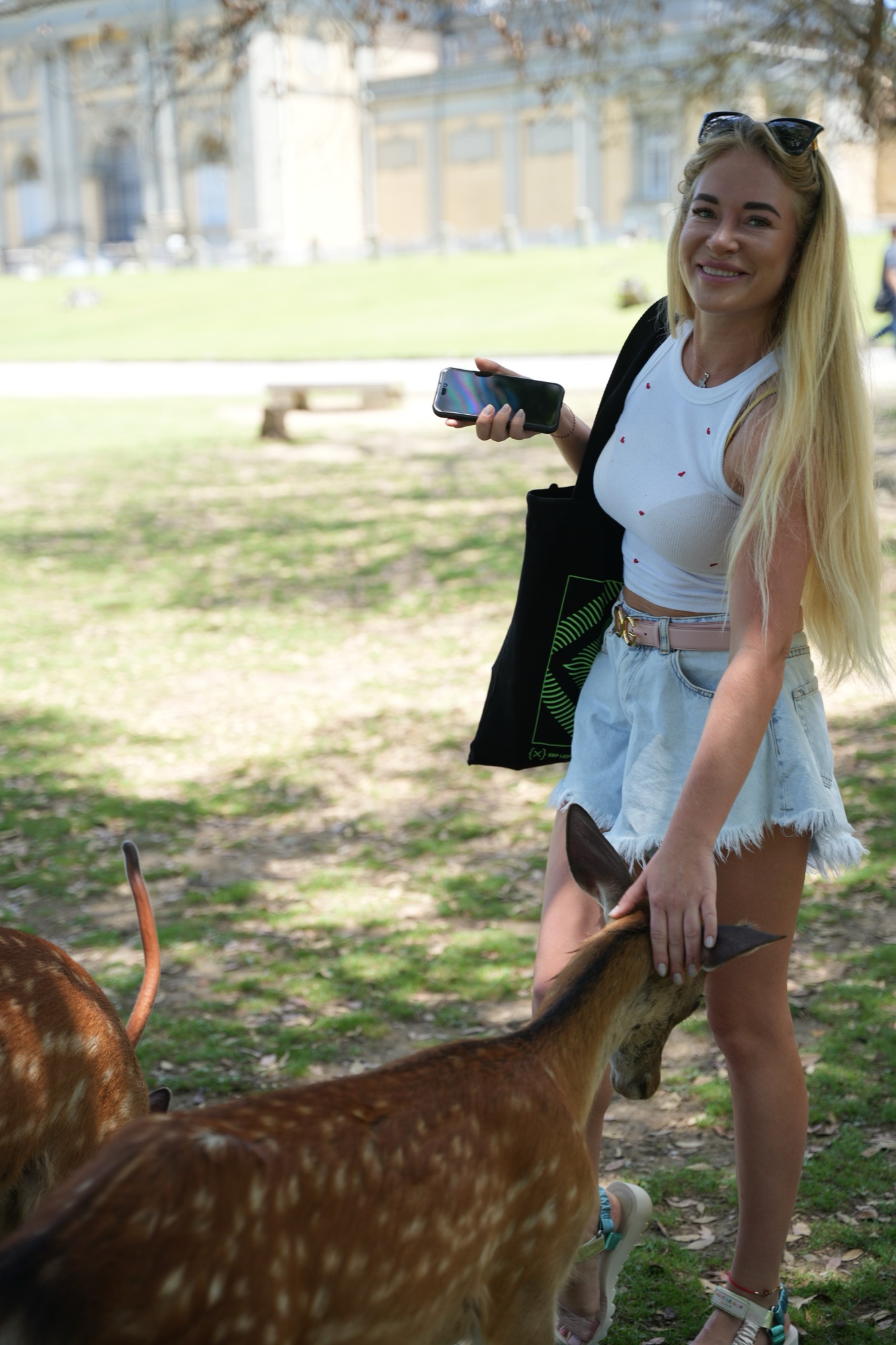
Some of the deer bow, which is very hard to resist.
Be gentle and a little careful: they are wild animals, polite until they decide you have something to eat.

Beyond the deer, Nara is gardens, wooden temple buildings and long corridors of orange pillars hung with bronze lanterns. A red arched bridge over a stream in a green garden was one of my favourite spots of the whole trip.
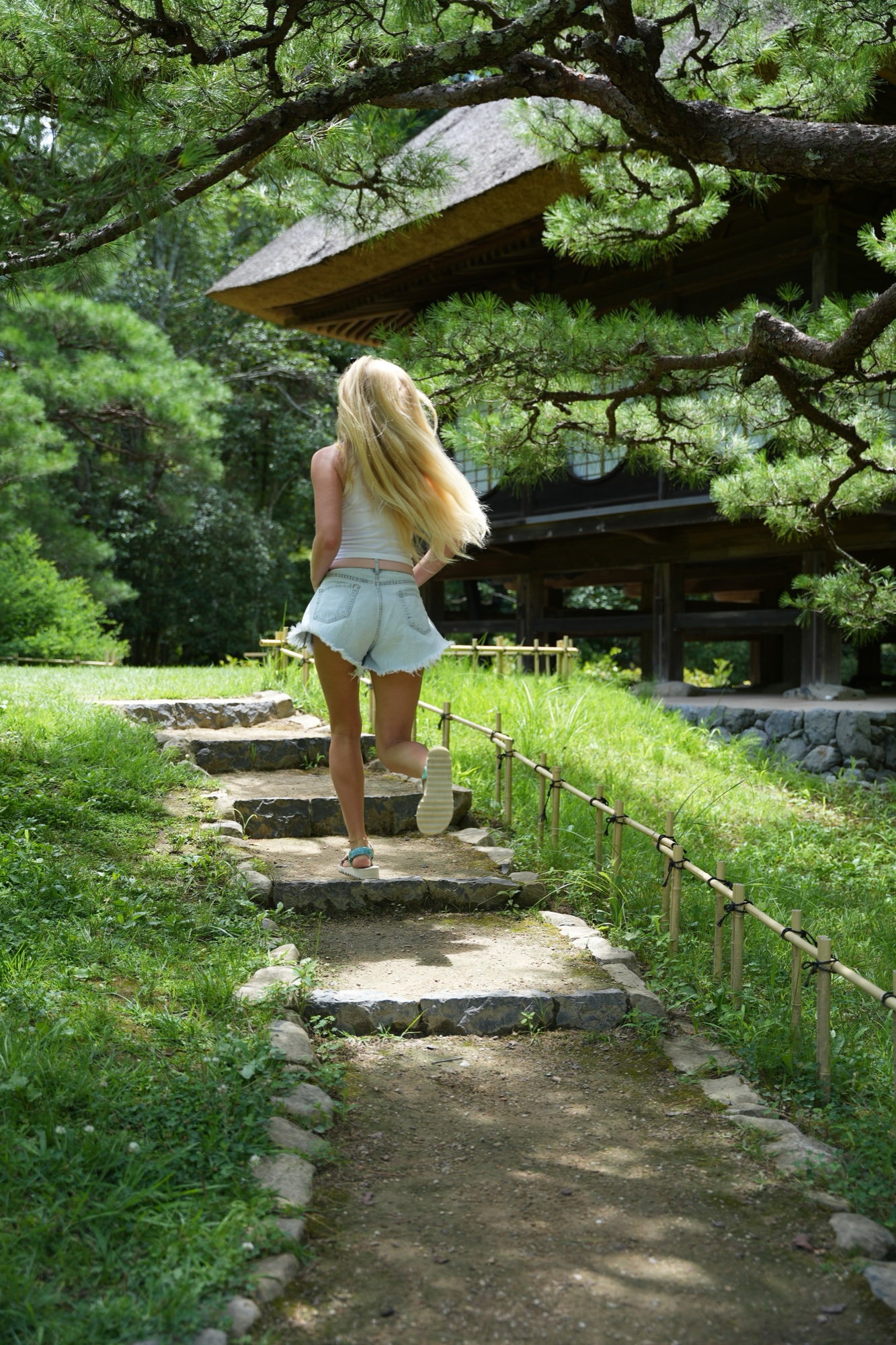
Before Kyoto there was Nagoya, and it rained. I did not mind. Rain in a Japanese city is a mood of its own: black umbrellas, shining pavements, green steel bridges and reflections everywhere. It made the bright orange of the gates in Kyoto feel even brighter a few days later.
Japan rewards slowness. The famous places are famous for a reason, but the moments I remember are small: the sound of the bamboo, a lantern path in the late afternoon, a deer deciding whether I was interesting enough.
Everything is cared for. Paths are swept, gardens are shaped leaf by leaf, and even the busiest shrine has a corner where you can stand quietly for a minute. As a founder who spends a lot of time thinking about how a business greets people, I noticed how much of that care is in the details nobody asks for.
Japan rewards slowness.
Go early in the day if you can. The heat in July is real, and the famous places are calmer in the morning.
Carry water, a fan and comfortable shoes. Fushimi Inari is a climb, not a stroll.
Official guides: Kyoto City Official Travel Guide and Visit Nara.
More photos from Kyoto, Nara and Nagoya are on the Travel pages.
Lisbon beyond the summit halls: Alfama roofs, the castle walls, tram 28E, Cabo da Roca and Cascais at night.
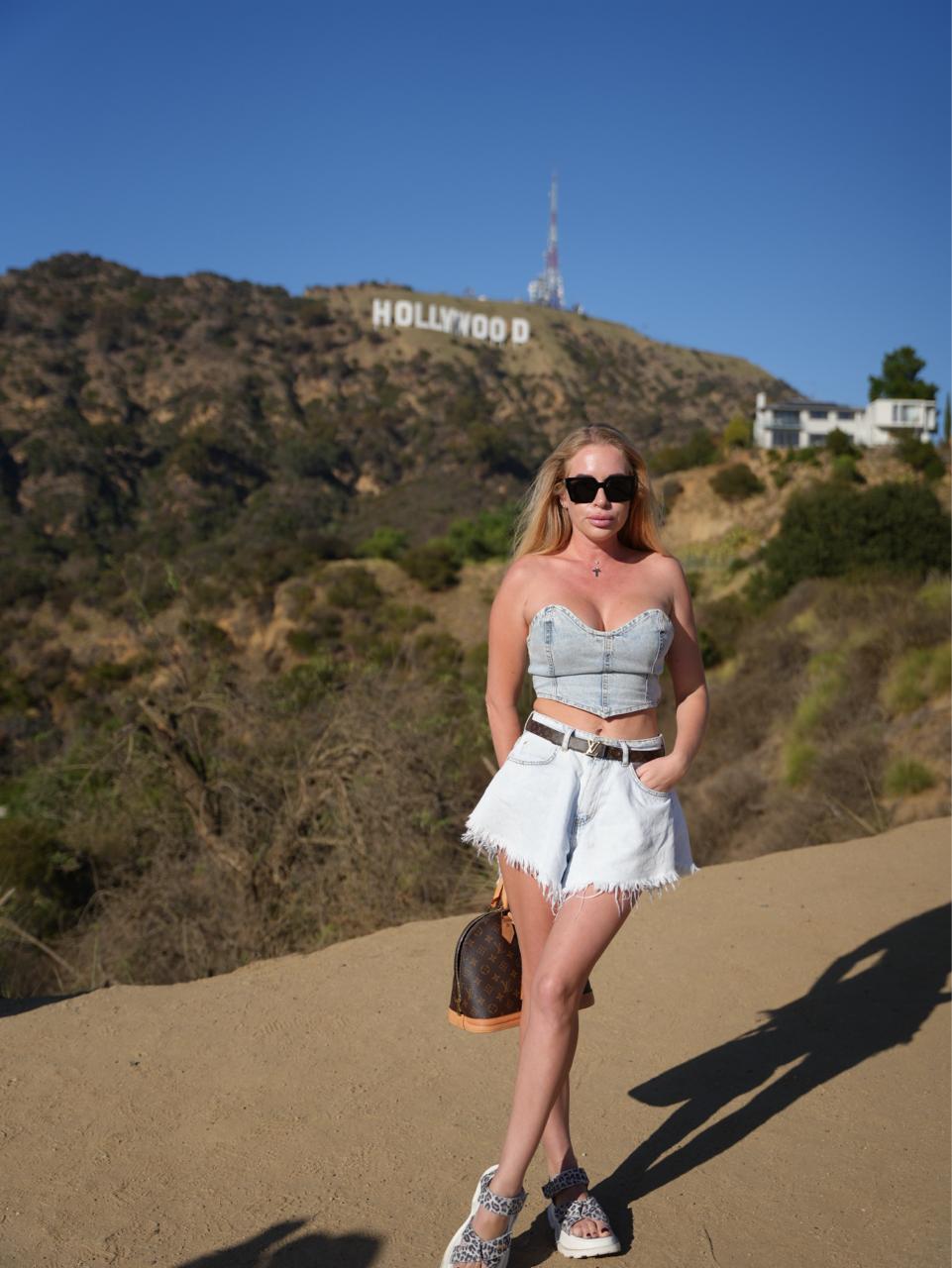
The Hollywood Sign, palm streets in Beverly Hills, Malibu surf and the red roofs of Santa Barbara. My Southern California, with a map.

Fort Point under the Golden Gate, Lombard Street, the cable cars and Chinatown. My San Francisco in photographs, with a map.